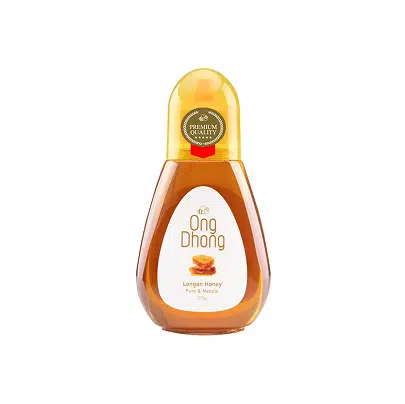
types of honey differences

น้ำผึ้งแต่ละชนิดต่างกันตรงไหนบ้าง | types of honey differences

Types of Honey Differences for Better Choices

Honey has long been valued as a natural sweetener across households, food manufacturing, beverages, health products, and cosmetics. Yet many people still wonder: what’s the real difference between types of honey, and how should each one be used? For business owners and procurement teams, choosing honey isn’t only about flavor — it’s about quality consistency, safety standards, sourcing reliability, and brand positioning.

This article explains the key differences between popular honey types and helps you select the best honey for both everyday consumption and commercial use.

What Is Honey & Why Flower Source Matters

Honey is made when bees collect nectar from flowers, enzymatically transform it, and store it in honeycombs. This process creates honey with unique color, aroma, taste, and nutritional characteristics depending on Flower source, Geographic region, Harvest season

So when asking “What’s the difference between types of honey?” the answer is simple:
👉 Different flowers = different properties = different applications

Popular Types of Honey in the Market

1. Longan Honey

Light amber color
Smooth sweetness with floral aroma
Most popular honey in Thailand and export markets

Best for:
General consumers, beverages, bakery products, brands seeking a neutral and versatile honey profile

2. Wildflower Honey

Darker color, deeper aroma
Complex flavor that varies by season
Rich in nutrients from diverse plant sources

Best for:
Health-focused products, premium positioning, brands emphasizing natural sourcing

3. Lychee Honey

Golden to light amber color
Soft floral aroma with delicate sweetness
Seasonal honey with high market value

Best for:
Premium beverages, wellness drinks, export-grade products, brands looking for strong ingredient storytelling

4. Coffee Blossom Honey

Darker tone with distinctive aroma
Sweet with slight bitter notes
Highly unique and niche

Best for:
Specialty brands, functional beverages, premium product lines

Pure Honey vs. Blended Honey: How to Tell the Difference

One of the most important concerns for consumers and buyers is distinguishing 100% pure honey from blended or adulterated products.
High-quality pure honey should:

Contain no added sugar or syrup
Be properly filtered and quality controlled
Come with lab testing documentation
Have traceable sourcing

For businesses, choosing a trusted honey supplier with quality assurance systems reduces long-term production and brand risks.

Honey & Industry Standards: What Procurement Teams Should Know

For factories, manufacturers, and commercial brands, honey selection goes beyond price. Key factors include:

Consistent quality and flavor profile
Reliable supply chain
Manufacturing standards (GMP / HACCP / FDA compliance)
Certification and export documentation

Working with a certified honey producer ensures production stability and strengthens brand credibility.

How to Choose the Right Honey for Your Business

Business TypeRecommendation
Beverage / CaféNeutral-flavored honey with smooth sweetness
Food / BakeryHoney with stable color and taste consistency
Health / BeautyPremium floral honey with functional positioning
Manufacturing / ExportCertified honey with full documentation and traceability

types of honey differences by Use, Not Just Taste

Types of honey differences don’t just vary in flavor — they reflect product value, application purpose, and brand identity. Choosing the right honey isn’t only a preference decision; it’s a business strategy.
If you’re looking for a trusted honey manufacturer with traceable sourcing, certified standards, and commercial-grade supply capacity, Honey Polyplus Co., Ltd. is a reliable producer serving both consumers and businesses with premium-quality honey.

Whether you’re a household buyer or a procurement professional, understanding honey differences helps you choose confidently — and ensures the highest quality for long-term success 🍯